Soundscapes in Virtual Blackjack: Examining Audio's Role in Extending Player Sessions
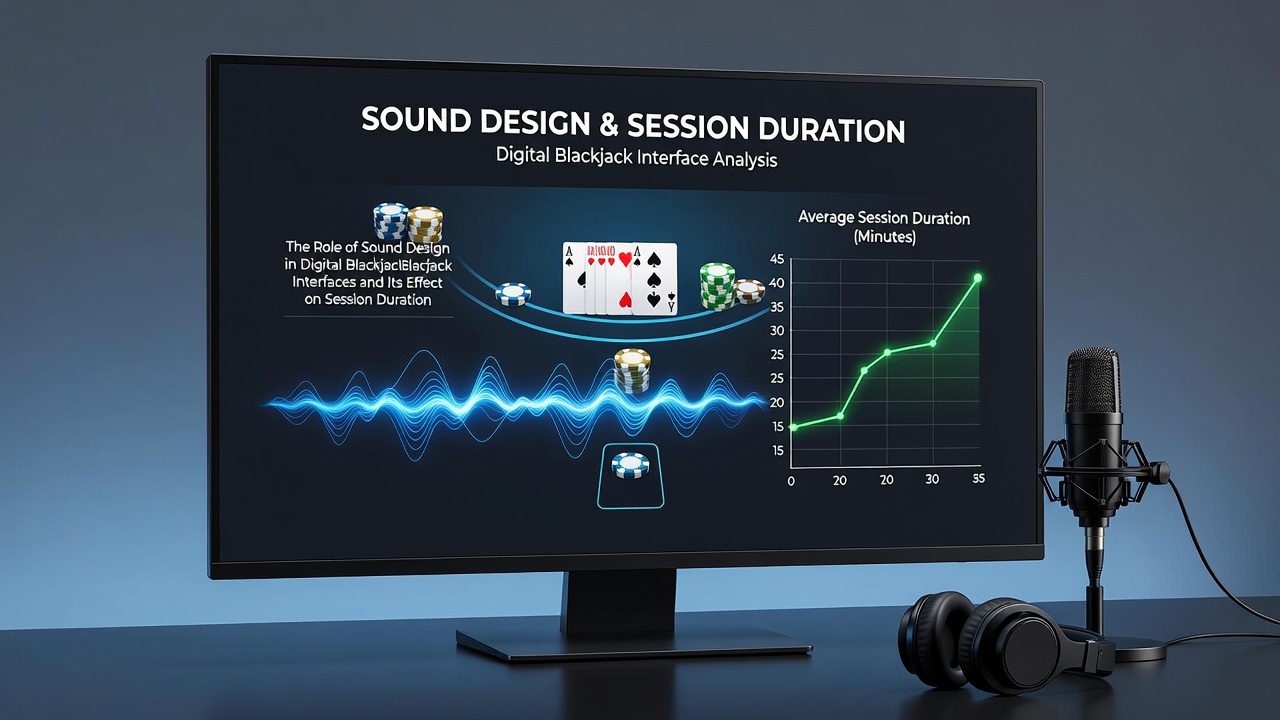
Digital blackjack platforms incorporate layered audio elements that replicate physical casino environments while adding precise feedback cues for each action, and these designs influence how long participants remain engaged during individual sessions. Research from gaming technology laboratories shows that synchronized sounds for card draws, chip placements, and outcome notifications create a continuous sensory loop that maintains attention without requiring visual focus alone.
Core Elements of Interface Audio
Sound designers build blackjack interfaces around distinct audio categories including ambient background tracks that simulate table chatter, event-specific effects for hits and stands, and progressive tones that escalate during bonus rounds or winning streaks. According to data compiled by the International Gaming Standards Association, platforms using adaptive volume scaling based on session length report measurable differences in average play duration compared to static audio setups. Those who've analyzed user logs note that realistic shuffling noises paired with subtle reverb effects on win announcements correlate with extended time spent at virtual tables, particularly in multi-hand variants.
Psychological Feedback Loops and Retention Patterns
Audio cues trigger dopamine responses similar to those observed in physical gaming settings, yet digital versions allow fine-tuned repetition that avoids fatigue through randomized pitch variations and layered textures. Studies conducted across European and North American markets indicate that players encounter shorter breaks when interfaces deliver immediate auditory confirmation after each decision, because the sound bridges the gap between actions and reduces perceived waiting periods. Figures from session tracking software reveal that interfaces incorporating low-frequency bass hits on dealer busts tend to sustain longer continuous play blocks, whereas muted or absent feedback leads to quicker exits even when win rates remain comparable.
Session Duration Metrics Across Platforms
Platform analytics gathered through July 2026 demonstrate that optimized sound profiles extend average session times by measurable margins in regions with mature online regulations. Canadian provincial data and Australian state reports both highlight how sound layering contributes to retention when combined with responsive visual animations, creating a unified sensory experience that keeps participants oriented toward the next hand. Observers note that progressive sound intensity during streaks encourages continued play, while consistent ambient loops prevent abrupt disengagement that occurs in silent or poorly mixed interfaces.
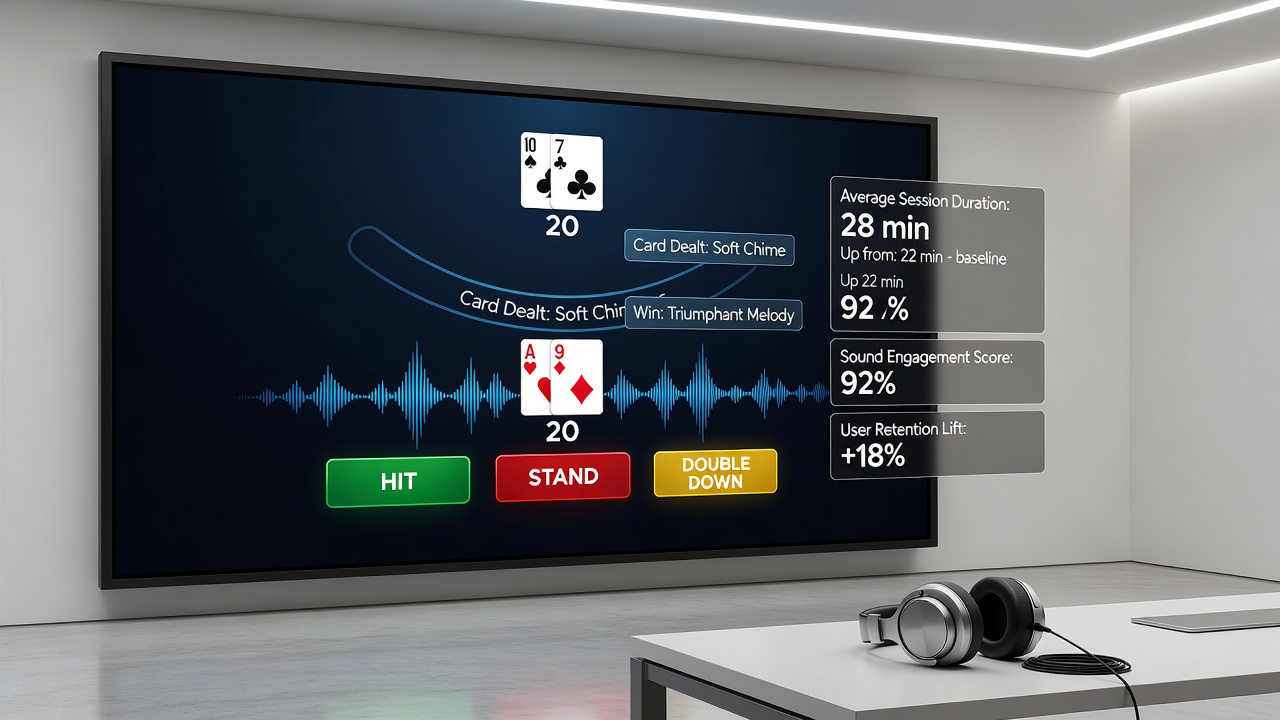
One analysis of multi-device usage patterns found that mobile interfaces benefit most from directional audio cues that guide attention during split decisions or insurance bets, because smaller screens limit peripheral vision yet rich sound maintains context. Research indicates these adaptations produce higher completion rates for full shoe cycles when compared to desktop versions relying primarily on visual indicators alone.
Design Adjustments and Emerging Standards
Developers adjust frequency ranges and timing intervals based on aggregated behavioral data, ensuring that celebratory sounds do not overlap with critical decision prompts. Regulatory bodies in multiple jurisdictions now review audio configurations alongside payout algorithms during licensing renewals, recognizing that sound design functions as an interactive element rather than mere decoration. Those studying interface performance report that balanced audio environments correlate with stable session lengths even as jackpot sizes fluctuate, suggesting the effect operates independently of prize magnitude.
Conclusion
Sound design in digital blackjack interfaces operates through targeted audio feedback that supports continuous engagement and shapes measurable differences in session duration across varied player demographics and device types. Data collected through mid-2026 continues to map these relationships, providing platform operators with concrete parameters for refining acoustic layers while meeting evolving compliance requirements in global markets.