Player Movement Trends in Blackjack: From Casino Floors to Online Tables Under Evolving Regulations
Understanding Recent Regulatory Shifts
Regulatory bodies across multiple jurisdictions have introduced updates that directly affect how blackjack options operate in both physical and digital spaces, and these changes have coincided with observable shifts in where players choose to participate. Data from the Nevada Gaming Control Board shows that land-based blackjack revenue experienced fluctuations in early 2026 as new compliance requirements took effect for table game operations. Meanwhile virtual platforms saw adjustments in licensing procedures that streamlined entry for operators meeting updated technical standards.
Those tracking industry metrics note that June 2026 marked the implementation date for several coordinated policy adjustments in North American markets, which altered deposit limits and verification processes for online sessions while tightening reporting rules for physical venues. Researchers at academic institutions studying gaming behavior have documented corresponding changes in session frequency and duration among regular blackjack participants during this transition period.
Patterns Emerging in Participation Data
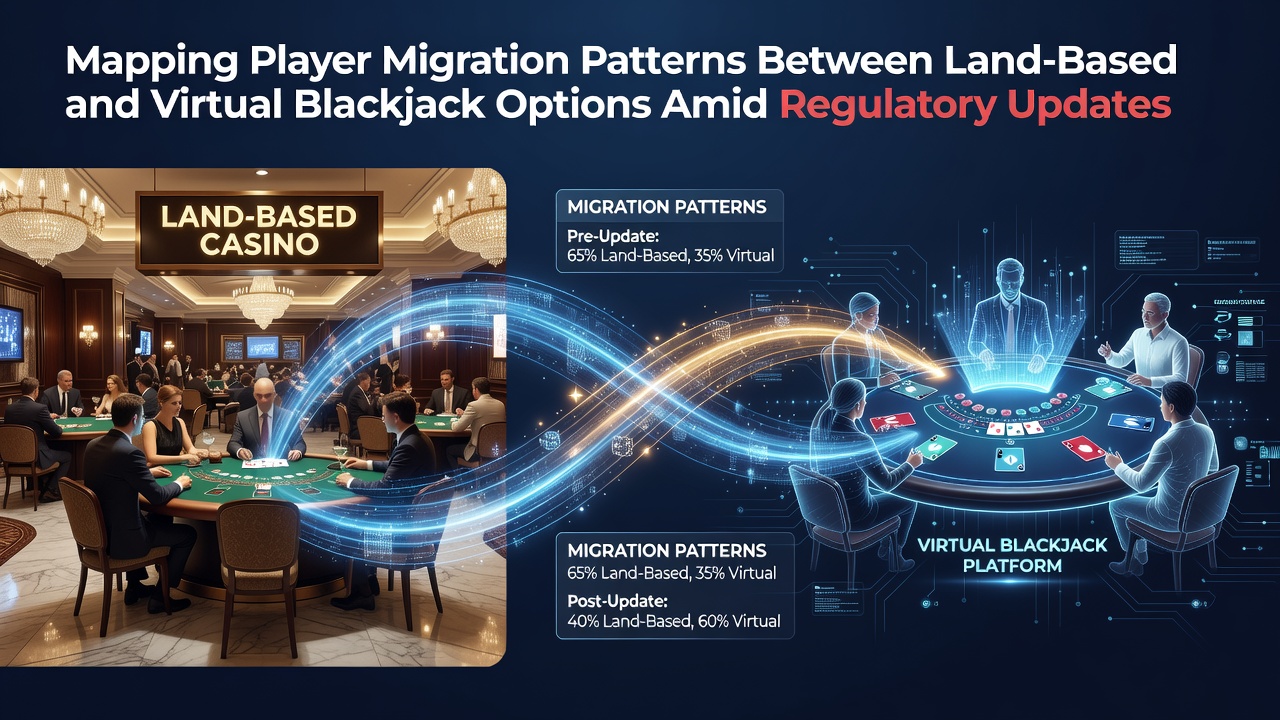
Analysis of transaction records and player account activity reveals distinct migration trends, particularly among those who previously favored multi-deck tables in physical casinos. Figures from industry reports indicate that a measurable portion of these individuals began allocating more playtime to virtual variants once regulatory updates reduced certain operational barriers online. This movement occurred alongside stable or slightly declining foot traffic at many land-based facilities that introduced enhanced age verification protocols.
What's interesting is how these patterns vary by region, with some markets showing faster transitions than others due to differences in how quickly operators adapted their offerings. Observers note that participants often maintained accounts across both formats rather than fully abandoning one for the other, creating hybrid engagement profiles that blend occasional in-person visits with more frequent digital sessions. Studies from research organizations focused on gambling trends have quantified these hybrid behaviors through longitudinal tracking methods.
Factors Influencing Player Choices
Regulatory updates have modified elements such as maximum bet thresholds, game speed parameters, and responsible gaming tool availability, which in turn influence decision-making around format selection. Players in jurisdictions with recent rule harmonization between land-based and virtual sectors tend to demonstrate more fluid movement between the two, according to aggregated data compiled by trade associations representing gaming operators. Those who've examined session logs find that convenience factors amplified by policy changes play a significant role in these decisions.
Take one set of statistics released by a Canadian provincial gaming authority that tracked blackjack participation before and after synchronized regulatory revisions. The numbers showed increased virtual table utilization among demographics that previously concentrated activity at resort properties, while land-based venues retained core local player bases with slower adaptation rates. This geographic variation highlights how local enforcement timelines shape overall migration flows.

Comparative Analysis Across Jurisdictions
European markets operating under frameworks established by bodies like the Malta Gaming Authority have reported parallel developments, where updated digital licensing procedures coincided with steadier growth in virtual blackjack volumes compared to physical casino locations. Data indicates that players in these areas often cited streamlined access features as contributing to their format preferences during the regulatory adjustment window. Academic papers examining cross-border player behavior have compared these European outcomes with North American cases to identify common drivers.
Australian regulatory sources have similarly documented how policy refinements around virtual gaming interfaces affected participation rates relative to traditional venues. The patterns show that while some land-based operators expanded their digital partnerships to retain existing customers, others focused on enhancing physical experiences to counterbalance the pull toward online alternatives. These responses illustrate the range of adaptive strategies employed amid shifting regulatory conditions.
Long-Term Implications for Market Structure
Continued monitoring by research institutions suggests that the migration trends observed through mid-2026 may establish new baselines for how blackjack participation distributes across formats. Evidence from multiple data collection efforts points to sustained hybrid usage rather than complete replacement of one option by the other. Regulatory agencies in various regions continue to refine their approaches based on these emerging participation maps.
Industry associations have begun compiling comparative reports that track these shifts over extended periods, providing operators and policymakers with clearer pictures of how rule changes translate into player movement. The data collected so far underscores the interconnected nature of land-based and virtual segments under contemporary regulatory environments.
Conclusion
Mapping player migration patterns between land-based and virtual blackjack reveals a landscape shaped by regulatory updates implemented across different jurisdictions, with notable activity around June 2026 serving as a reference point for ongoing analysis. Available statistics and research findings demonstrate measurable shifts in participation that vary by region and demographic while showing persistent overlap in usage across both formats. Continued data collection from government agencies, academic sources, and industry organizations will further clarify these dynamics as regulatory frameworks evolve.