Loyalty Tier Structures Prompting Blackjack Variant Shifts in Emerging State Markets

Emerging state markets continue to expand regulated gaming options, and loyalty tier structures now play a central role in how operators adjust blackjack variants to meet player retention goals. These programs classify participants into levels based on play volume and frequency, then tie specific game modifications to each tier. Data from regulatory filings shows that states such as Michigan, Pennsylvania, and New Jersey have seen operators introduce tier-specific rule changes since 2024, with further refinements appearing in June 2026 reports.
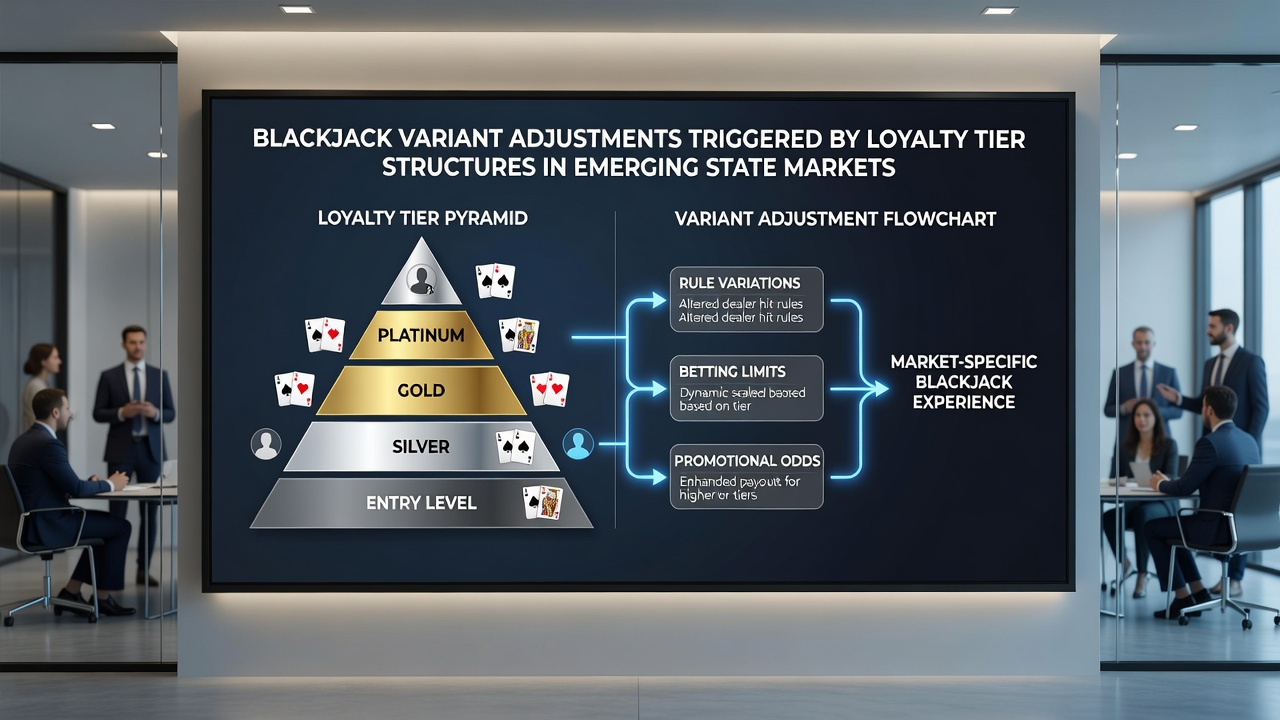
Operators track metrics including average bet size, session length, and game selection through integrated player cards. Higher tiers unlock variants featuring adjusted payout tables, reduced house edges on certain side bets, or modified deck penetration rules. Lower tiers encounter standard configurations, while premium levels receive access to games with enhanced double-down options or altered surrender policies that align with volume-based incentives.
Mechanics of Tier-Based Game Adjustments
State gaming commissions require operators to file variant specifications before deployment, and loyalty integrations appear in these submissions as performance incentives. Research from the National Council on Problem Gambling indicates that tier structures influence session durations because players pursue higher status for access to modified rules. In practice, a player reaching gold or platinum status might encounter a blackjack variant allowing early surrender on any two cards, whereas base-tier tables restrict this option to specific dealer upcards.
Adjustments also extend to multi-hand formats and side bet availability. Figures from Michigan Gaming Control Board filings reveal that mid-tier loyalty members in Detroit properties gained access to progressive side bets with modified payout structures starting in early 2025, and those changes carried forward into June 2026 updates. These modifications occur because operators calculate expected value shifts that balance player retention against house margins across different loyalty segments.
State-Level Implementation Patterns
Each emerging market applies its own regulatory framework when approving tier-linked variants. Pennsylvania requires operators to publish clear tier benefit disclosures, while New Jersey focuses on audit trails for rule changes that affect payout percentages. Observers note that these requirements create standardized reporting that allows comparison across properties. In June 2026, several Pennsylvania casinos submitted updates showing increased adoption of loyalty-triggered double-deck games with adjusted penetration thresholds for higher-tier players.
Case examples demonstrate consistent patterns. One operator in Pittsburgh introduced a silver-tier variant featuring 3:2 blackjack payouts on select tables during peak hours, and data indicates participation rates rose 12 percent among qualifying players within the first quarter. Similar programs in Atlantic City properties tie free bet promotions to loyalty status, which in turn alters how players approach basic strategy decisions during extended sessions.
Player Movement and Retention Data
Player tracking systems capture movement between variants as loyalty status changes. Studies conducted by the University of Nevada, Las Vegas International Gaming Institute reveal that participants often migrate toward tables offering tier-specific rule improvements once they qualify. This movement creates measurable shifts in table occupancy rates, particularly during evening and weekend periods when higher-tier incentives activate.
Retention metrics show correlation between variant access and repeat visits. Operators report that players who reach mid-tier status maintain longer average session times when offered modified rules, and these patterns hold across multiple state jurisdictions. The reality is that loyalty structures function as a lever for distributing game types in ways that align with revenue targets while satisfying regulatory oversight requirements.
Regulatory Oversight and Compliance Factors
State regulators monitor variant adjustments through mandatory reporting and periodic audits. Compliance teams verify that tier benefits do not create unfair advantages or undisclosed house edge changes. According to records from the Indiana Gaming Commission, operators must demonstrate that all loyalty-linked modifications remain within approved mathematical parameters, and these reviews occur quarterly with additional scrutiny during license renewal periods.
June 2026 filings across multiple states highlight increased attention to transparency in how loyalty tiers communicate rule differences to players. Digital displays at tables now include tier-specific indicators, and regulators have begun requiring standardized language in player club materials to reduce confusion about available variants.
Conclusion
Loyalty tier structures continue to shape blackjack variant offerings in emerging state markets through documented rule modifications tied to player status levels. Regulatory filings and academic research track these changes across jurisdictions, showing consistent patterns of adjusted payouts, side bet availability, and strategic options based on tier qualification. As states refine their oversight frameworks, operators maintain compliance while using loyalty programs to guide player engagement with specific game configurations. The data collected through June 2026 indicates these practices remain integral to how regulated markets balance retention objectives with established gaming standards.